 logo

Search form

Main menu

  • Home
  • Overview
  • People
  • Research
  • Graduate
  • Undergraduate
  • News
  • Events
  • Support
  • Giving

You are here

Home » Research

Biomedical Sciences

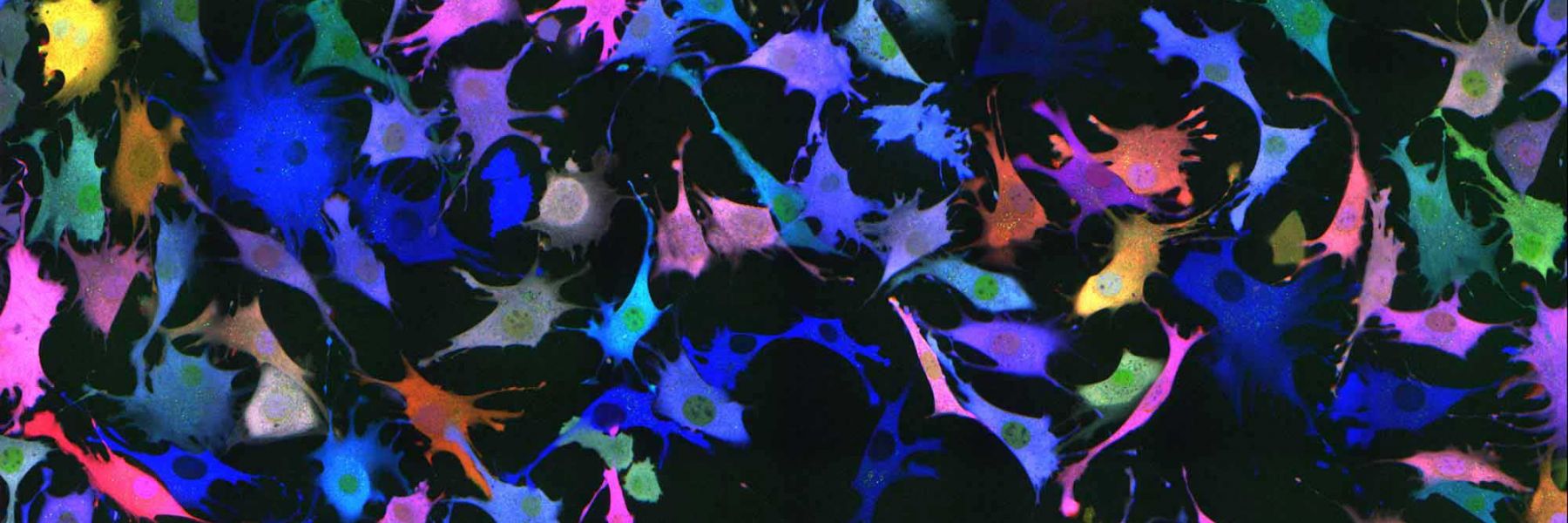
Photo

Biomedical research in MCDB spans a wide variety of areas and medical fields from basic research all the way to pre-clinical experimentation and direct medical application. MCDB researchers investigate molecular disease mechanisms, diagnostic approaches and biomarkers, pharmacological interventions and novel drug design, therapies including stem-cell therapy. Diseases that are being investigated in MCDB labs include various forms of cancer, Alzheimer's disease, macular degeneration, viral and bacterial infectious diseases, kidney diseases, addiction, immunological diseases, diabetes. Investigators in MCDB use state-of-the-art methods in biochemistry and biophysics, cell and molecular biology, genetics and genomics, nanotechnology, microfluidic, and microarray platforms, animal models from worms and flies to rodents. In addition, numerous and extensive collaborations exist with clinical institutions, pharmaceutical and biotech companies, and research laboratories in disciplines such as physics, material science, engineering, nanotechnology, and marine science.

Faculty

Photo

Dennis Clegg

Human stem cell research; Molecular mechanisms of stem cell differentiation; Derivation of ocular cells from stem cells; Soft tissue regeneration.

Photo

Anthony De Tomaso

Molecular mechanisms of self/non-self recognition in non-vertebrates; characterization of stem cells and development processes underlying regeneration and aging.

Photo

Stuart Feinstein

Biochemistry and Cell Biology of Neuronal Development; Biochemistry of Neurodegenerative Diseases; Structure, Function and Regulation of the Microtubule Associated Protein, Tau; Cytoskeletal Regulation.

Photo

Steven Fisher

Structure and function in the vertebrate retina with an emphasis on mechanisms underlying photoreceptor degeneration and the role of glial cells in normal and injured or diseased retina.

Photo

Kenneth S. Kosik

Neural plasticity including the molecular basis of plasticity, the evolution of synapses, and disease-related impairments of plasticity such as occurs in Alzheimer's disease.

Photo

John Lew

Molecular mechanisms of signal transduction; Alzheimer's Disease and other protein aggregation/misfolding diseases; molecular biology, enzymology, and protein structure/function.

Photo

David Low

Cellular communication between bacteria, including mechanisms and biology of contact-dependent growth inhibition; epigenetic gene regulatory mechanisms.

Photo

Michael J. Mahan

Microbial pathogenesis; innate and adaptive immune responses to infection; vaccine development.

Photo

Jamey Marth

Nanomedicine in Biomedical Discovery, Diagnosis, and Therapeutics that Target the Molecular and Cellular Origins of Disease.

Photo

Daniel E. Morse

Bio-inspired catalytic nanofabrication, tunable photonic materials and dynamic self-assembly. Applications to semiconductors, high-power batteries, electro-optics, IR and solar energy.

Photo

Joel Rothman

Molecular and genetic control of development in the nematode C. elegans; regulation of programmed cell death; mechanisms of tumorigenesis.

Photo

Erkki Ruoslahti

Cell adhesion and tumor metastasis; study of molecular signatures in vessels, and the use of these vascular "zip codes" in targeted drug delivery.

Photo

Charles E. Samuel

Antiviral innate immunity and interferon action, with focus on the roles of double-stranded RNA in translational control by the PKR kinase and A-to-I RNA editing by the ADAR1 deaminase.

Photo

James A Thomson

Dr. Thomson studies the self-renewal and pluripotency of stem cells.

Photo

Carol Vandenberg

Cell biology of the nervous system and muscle. Mechanisms of ion channel trafficking; function and regulation of potassium channels; polarized targeting of membrane proteins and neuronal cell polarity.

Photo

Thomas Weimbs

Investigation of molecular mechanisms underlying polycystic kidney disease (PKD) and related renal diseases. Membrane trafficking and epithelial cell polarity.

Photo

Leslie Wilson

Mechanism and regulation of microtubule polymerization and dynamics; mechanism of action of microtubule-targeted anticancer drugs and microtubule-regulatory proteins.

Research

  • Biochemistry & Biomaterials
  • Biomedical Sciences
  • Cell Biology
  • Developmental & Stem Cell Biology
  • Genetics & Genomics
  • Microbiology & Immunology
  • Neuroscience
  • Plant Biology
  • Systems & Quantitative Biology

Molecular, Cellular, and Developmental Biology • University of California, Santa Barbara
Copyright © 2012 The Regents of the University of California, All Rights Reserved.
Site Information • Terms of Use • Privacy • Login