MCDB News

March 3, 2026

Researchers at UC Santa Barbara have identified the mechanism by which pathogenic Bordetella bacteria promote the colonization of mammalian airways. This mechanism, if interrupted, could lead to novel therapies for diseases such as whooping cough (pertussis) in humans and kennel cough in dogs.

February 23, 2026

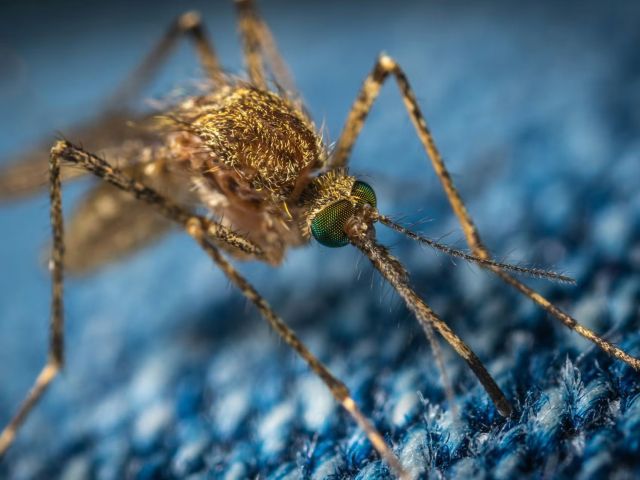
Finding the right taste to send mosquitoes packing could save hundreds of thousands of lives.
 

November 18, 2025

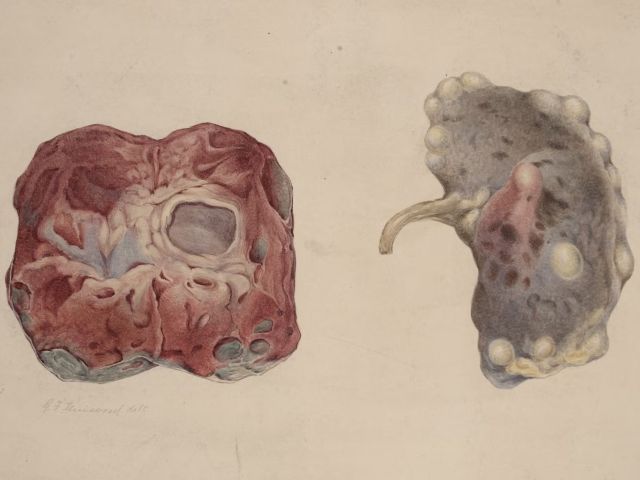
Polycystic kidney disease (PKD) is a debilitating hereditary condition in which fluid-filled sacs form and proliferate in the kidneys.

May 14, 2025

Hormone levels fluctuate like the tides, ebbing and flowing according to carefully orchestrated cycles. These hormones not only influence the body, but can cross into the brain and shape the behavior of our neurons and cognitive processes.

April 9, 2025

Fruit fly larvae will reorient themselves toward the negative pole of an electric field.
 

January 30, 2025

The advent of immunotherapy has changed the way we treat cancer. But current techniques can only benefit some patients, and fare poorly against solid tumors. Cellular biologist Meghan Morrissey at UC Santa Barbara is working to change that by focusing on macrophages, a type of innate immune cell.

November 20, 2024

Morrissey’s group is working to harness macrophage immune cells for novel cancer therapies.
 

November 4, 2024

If a male mosquito can’t hear a female, it’s as though she doesn’t exist.

October 8, 2024

The National Institutes of Health (NIH) has selected Professor Denise Montell for a Pioneer Award to further develop her work on the innovative immune therapy.

October 7, 2024

UC Santa Barbara neuroscientists have reconstructed the entire anterior visual pathway of a fruit fly, a complex series of neural connections between the insect’s eyes and the navigation center of its brain.